
Having a website is one thing. Getting the right people to discover it, visit it, trust your business, and take action is another.
This is where Website Marketing becomes important.
Website Marketing is the process of promoting a website through different digital channels to attract visitors, build brand awareness, generate leads, and support business growth. It combines strategies such as search engine optimisation, content, etc.
Your website can be the centre of your entire digital presence. But without the right marketing strategy, even a beautifully designed website may receive very little traffic or generate limited business.
In this guide, we will explore what Website Marketing means, how it works, its benefits, important strategies, common mistakes, and practical ways to improve your website’s online performance.
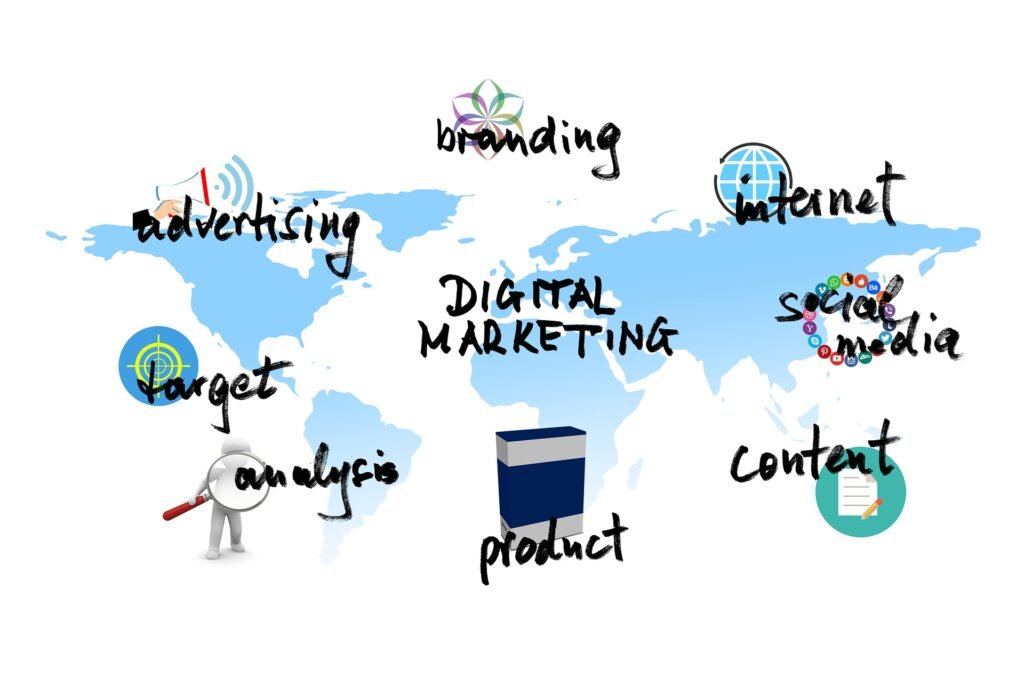
What Is Website Marketing?
Website Marketing refers to the different methods used to attract targeted visitors to a website and encourage them to complete meaningful actions.
Those actions may include:
• Buying a product
• Enquiring about a service
• Filling out a contact form
• Booking a consultation
• Calling a business
• Downloading a resource
• Joining an email list
• Visiting important website pages
Unlike a single advertising campaign, Website Marketing can involve several connected digital marketing activities working together.
For example, a business might publish an SEO-focused blog, share that blog on social media, run paid advertisements to promote a service page.
The website becomes the destination where different marketing channels come together.
Why Is Website Marketing Important for Businesses?
When prospective clients want to learn more about a business, they frequently visit your website first.
A strong Website Marketing strategy helps make sure that people can find your website and understand what your business offers when they arrive.
Effective Website Marketing can help businesses:
• Increase website traffic
• Improve online visibility
• Attract targeted customers
• Generate leads
• Increase enquiries
• Promote products and services
• Build brand credibility
• Improve customer engagement
• Support online sales
• Create long-term digital growth
Consider a local digital marketing business. A potential customer may search for a marketing service, discover the business through Google, visit the website, read a blog article, check the services page, and eventually submit a contact form.
Each stage is influenced by Website Marketing.
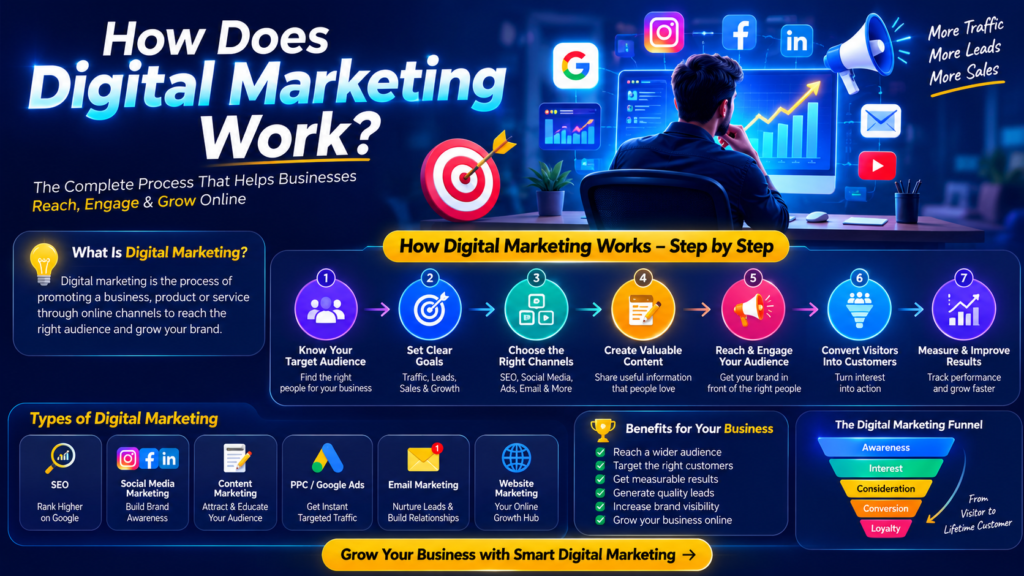
How Does Website Marketing Work?
Website Marketing works best when different strategies are connected instead of being treated as separate activities.
Website Marketing Process
Research → Website Optimisation → Traffic Generation → User Engagement → Conversion → Analysis → Improvement
Research
Understand your target audience, industry, competitors, and business goals.
Website Optimisation
Improve the website’s content, structure, design, speed, usability, and search visibility.
Traffic Generation
Bring relevant visitors through channels such as SEO, social media, paid advertising, content marketing, and email.
User Engagement
Make it simple for users to explore your website and provide them with helpful information.
. Conversion.
Encourage visitors to take the desired action through clear calls to action, strong offers, forms, or booking options.
Analysis
Measure traffic, engagement, leads, conversions, and other important performance indicators.
Improvement
Utilise the findings to make ongoing improvements to the website and marketing plan.
This cycle makes Website Marketing an ongoing process rather than a one-time task.
Crucial Components of an Effective Website Marketing Plan
A successful strategy should look beyond traffic.
A Clear Website Structure
Visitors should quickly understand:
Who you are → What you provide → Why it matters → What they ought to do next
Important pages may include:
• Home
• About
• Services
• Products
• Blog
• Contact
• FAQ
Strong Website Content
Your content should explain your offer clearly and answer the questions your customers are likely to have.
Avoid filling pages with complicated marketing language. Write for real people.
Strong Calls to Action
Every important page should guide visitors toward a useful next step.
Examples include:
• Get Started
• Contact Us
• Book a Consultation
• Request a Quote
• Learn More
• Shop Now
Mobile-Friendly Design
Many visitors access websites from mobile devices. A website should therefore be easy to use across different screen sizes.
Fast Loading Experience
Visitors are less likely to remain engaged when a website feels slow or difficult to use.
Trust Signals
Visitors need reasons to believe that your business is legitimate and capable.
Trust elements can include:
• Testimonials
• Reviews
• Case studies
• Clear contact information
• Professional branding
• Policies
• Certifications where relevant
Website Marketing vs Social Media Marketing
Both strategies can support business growth, but they serve different functions.
Website Marketing vs Social Media Marketing
Uses the website as a central marketing asset. Uses social platforms to reach audiences
Can combine multiple traffic sources. Focuses on platform-based reach and engagement.
Provides more control over content and user journey; depends on individual platforms.
Can support lead generation and sales directly; can drive awareness, engagement, and traffic
Useful as a long-term digital asset; strong for community and audience interaction
Rather than choosing only one, businesses can connect both.
For example:
Social Media → Website → Service Page → Enquiry
How to Improve Website Marketing
You do not always need to completely rebuild your website to improve its marketing performance.
Start with the fundamentals.
Website Marketing Checklist
• ✅ Identify your target audience
• ✅ Define your main business goals
• ✅ Research relevant keywords
• ✅ Optimise important website pages
• ✅ Create useful content
• ✅ Improve website navigation
• ✅ Add clear calls to action
• ✅ Make your website mobile-friendly
• ✅ Improve page loading performance
• ✅ Add trust signals
• ✅ Connect social media channels
• ✅ Use analytics and tracking
• ✅ Test important landing pages
• ✅ Update outdated content
Small improvements can make the overall website experience much clearer and more effective.
Website Marketing Mistakes to Avoid
Some businesses invest heavily in website design but overlook marketing fundamentals.
Common mistakes include:
• Creating a website without a target audience
• Using unclear messaging
• Ignoring SEO
• Publishing thin content
• Making navigation complicated
• Having weak calls to action
• Ignoring mobile visitors
• Running ads without optimised landing pages
• Focusing only on website traffic
• Not tracking conversions
• Never updating old content
• Copying competitors
One particularly serious mistake is assuming that more traffic automatically means more business.
A website receiving thousands of irrelevant visitors may produce fewer leads than a smaller website attracting the right audience.
The objective of Website Marketing should therefore be relevant traffic plus meaningful actions.
How Long Does Website Marketing Take to Show Results?
There is no fixed timeline for Website Marketing.
Results can depend on several factors:
• Industry competition
• Website quality
• Existing search visibility
• Marketing budget
• Content quality
• SEO strategy
• Advertising strategy
• Brand recognition
• Target audience
Some paid campaigns can generate visitors quickly, while SEO and content-based strategies may require more time to build visibility.
The best approach is to combine short-term activities with long-term strategies.
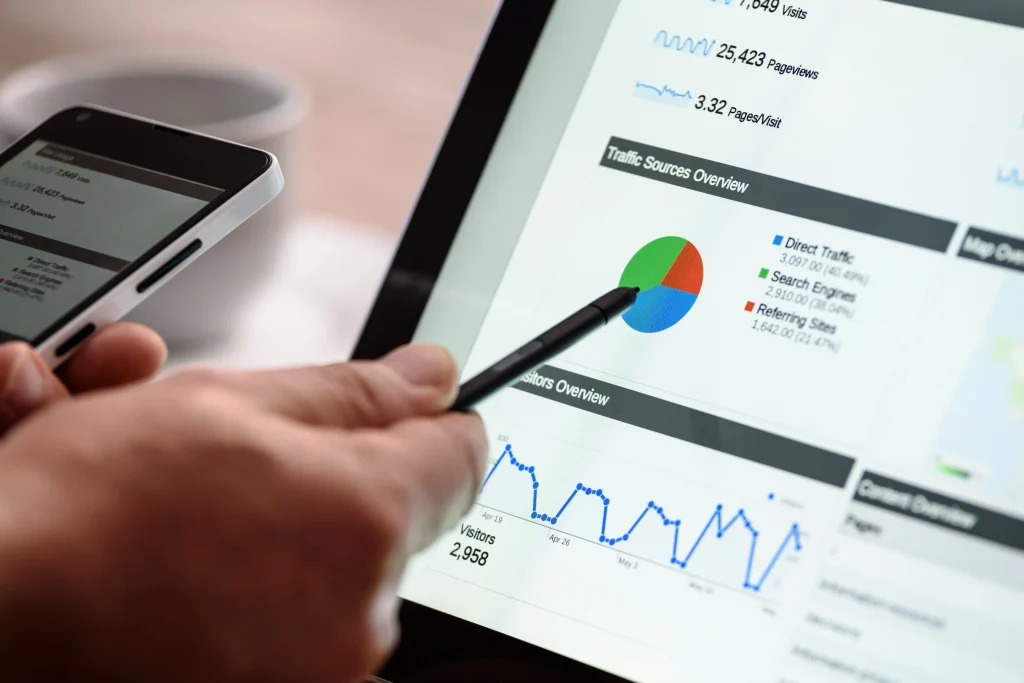
How to Measure Website Marketing Performance
Tracking performance allows businesses to make better decisions.
Useful metrics can include:
• Website visitors
• Organic traffic
• Traffic sources
• Page views
• Engagement
• Leads
• Contact form submissions
• Sales
• Conversion rate
• Cost per lead
• Returning visitors
The most important metric depends on your goal.
For example, an e-commerce website may focus heavily on purchases and revenue, while a professional service website may focus on enquiries, phone calls, and consultation requests.
How Content, SEO, Social Media and Paid Ads Work Together
The real power of Website Marketing comes from connecting multiple channels.
Consider this example:
Blog Article
↓
Google Search
↓
Website Visit
↓
Service Page
↓
Trust Signals
↓
Call to Action
↓
Lead / Customer
The same article could then be promoted through social media and email.
Paid advertising could also be used to promote a related service page.
This creates a connected marketing ecosystem where each channel supports the others.
Is Website Marketing Worth It?
For businesses that depend on online visibility, Website Marketing can be an important investment.
Your website can remain available around the clock, provide information to potential customers, showcase your work, collect enquiries, and support campaigns across different marketing channels.
But having a website alone does not create growth.
The website needs to be:
Discoverable + Useful + Trustworthy + Easy to Navigate + Designed for Action
That combination gives Website Marketing its real value.
Website Marketing Services by Ujwal Tandon
At Ujwal Tandon, Website Marketing can be approached as part of a complete digital marketing strategy.
Instead of focusing only on driving visitors, the goal can be to connect visibility, website experience, content, and conversion opportunities.
Website Marketing Services Can Include:
• Website marketing strategy
• SEO
• Keyword research
• Website content optimisation
• Content marketing
• Social media marketing
• Paid advertising
• Landing page optimisation
• Conversion-focused website improvements
• Analytics and performance tracking
• Competitor research
The right strategy depends on your business goals, industry, audience, website, competition, and budget.
A strong Website Marketing plan should help your website do more than look professional.
It should help your business become easier to discover and easier to choose.
Ready to Grow Your Website?
Your website should be more than an online business card.
It should become a useful part of your marketing and customer acquisition system.
Get in touch with Ujwal Tandon to discuss a Website Marketing strategy designed around your business goals.
Frequently Asked Questions About Website Marketing
What is Website Marketing?
Website Marketing is the process of promoting a website through digital marketing channels to attract relevant visitors, build awareness, generate leads, and support business goals.
Why is Website Marketing important?
It can help businesses increase website visibility, attract relevant traffic, communicate their value, generate enquiries, and improve online growth opportunities.
What are the main types of Website Marketing?
Major methods include SEO, content marketing, social media marketing, paid advertising, email marketing, and conversion optimisation.
Is SEO part of Website Marketing?
Yes. SEO is one of the most important components of Website Marketing because it helps improve a website’s visibility in relevant organic searches.
Can Website Marketing help small businesses?
Yes. Small businesses can use targeted SEO, useful content, social media, local marketing, and paid campaigns to reach relevant customers.
How long does Website Marketing take to work?
The timeline varies. Paid advertising may generate traffic quickly, while SEO and content strategies often require continued effort to build visibility and authority.
Does a beautiful website guarantee good marketing results?
No. Design is important, but website performance also depends on visibility, content, usability, messaging, trust, calls to action, and marketing strategy.
How can I get more visitors to my website?
You can use strategies such as SEO, content marketing, social media, paid advertising, email marketing, local SEO, and partnerships to attract relevant traffic.
How do I know if my Website Marketing strategy is working?
Monitor metrics such as traffic sources, organic visits, engagement, leads, conversions, enquiries, sales, and other business-specific goals.
Should Website Marketing be combined with other digital marketing services?
Yes. Combining Website Marketing with SEO, content, social media, paid advertising, and email marketing can create a stronger and more connected digital strategy.
Conclusion
Website Marketing is much more than simply promoting a website.
It is the process of making your website easier to discover, easier to understand, more trustworthy, and more effective at turning visitors into meaningful business opportunities.
SEO can help people discover your website. Content can educate them.
Social media can bring more attention. Paid advertising can reach targeted audiences. A well-designed website can then guide those visitors toward an action.
The most effective Website Marketing strategies connect all of these elements rather than treating them as isolated activities.
For Ujwaltandon.com, the goal is simple: create digital marketing strategies that help businesses build visibility, connect with their audience, and grow online.
Your website is the destination. Website Marketing is how you get the right people there.
Digital Marketing: Grow Your Business Online
In today’s internet environment, one of the best methods for businesses to contact clients is through digital marketing.
It uses digital channels such as search engines, social media, websites, email, and online advertising to promote products and services
. Whether you run a small business, personal brand, or large company, digital marketing can help you build visibility and connect with the right audience.
What Is Digital Marketing?
Digital marketing refers to all marketing activities performed through digital platforms. Instead of depending only on traditional advertising, businesses can use online strategies to attract potential customers, build relationships, and increase sales.
A strong digital marketing strategy focuses on reaching customers where they spend their time—online. It also allows businesses to measure results and understand which campaigns are working.
Why Is Digital Marketing Important?
Digital marketing gives businesses an opportunity to reach a much larger audience without requiring a huge advertising budget. With the right strategy, even a small business can compete with established brands online.
Another major benefit is measurable performance. Businesses can track website visits, clicks, leads, conversions, engagement, and other important metrics. This information helps marketers improve campaigns and make better decisions.
Major Types of Digital Marketing
There are several important areas of digital marketing, including:
- Search Engine Optimization (SEO): Helps websites appear higher in search engine results.
- Content Marketing: Uses blogs, articles, videos, and other content to attract and educate audiences.
- Social Media Marketing: Promotes brands and engages customers through social platforms.
- Pay-Per-Click Advertising (PPC): Uses paid advertisements to generate targeted traffic and leads.
- Email Marketing: Helps businesses communicate directly with existing and potential customers.
- Website Marketing: Optimizes a website to attract visitors and turn them into customers.
How Does Digital Marketing Work?
Digital marketing usually starts with understanding the target audience. Businesses identify who their ideal customers are, what they need, and how they search for solutions online.
Next, marketers create valuable content and choose suitable channels to reach the audience. SEO can attract organic traffic, social media can increase engagement, and paid advertising can provide faster visibility.
The final step is analyzing performance. Marketers study data and make improvements based on the results. This creates a continuous process of attracting, engaging, converting, and retaining customers.
Benefits of Digital Marketing
Digital marketing offers several benefits for businesses. It can improve brand awareness, increase website traffic, generate leads, build customer relationships, and support sales growth.
It also provides flexibility. Campaigns can be adjusted based on audience behavior and performance. This makes digital marketing a practical choice for businesses of different sizes and industries.
Conclusion
For companies looking to expand online, digital marketing is now a must. From SEO and content marketing to social media and paid advertising, each strategy can play an important role in building a strong online presence.
With clear goals, consistent content, proper audience targeting, and regular performance analysis, digital marketing can help businesses reach more people and turn online visitors into loyal customers.